

Cultural and Gender Differences in Suicide
Suicide is a global public health issue, yet it does not affect every group in the same way. Culture, gender, social expectations, and access to support all influence how people experience mental health struggles and whether they seek help. Understanding these differences is essential for improving suicide prevention efforts and creating support systems that reach those who need them most.
In this article, we’ll explore how suicide rates differ across genders and cultures, why these differences exist, and what we can do to reduce stigma and improve support.
Suicide and Gender: A Global Pattern
One of the most widely observed patterns in suicide statistics is the difference between men and women and something that more people are becoming aware of, thankfully.
In many countries, men die by suicide more often than women, while women report higher rates of suicidal thoughts and attempts. This phenomenon is sometimes referred to as the “gender paradox of suicide.”1
Several factors contribute to this pattern:
Social Expectations Around Masculinity
In many societies, men are often expected to be emotionally strong, independent, and self-reliant. While resilience can be a positive factor in people seeking the help and resources they need, these expectations can also discourage men from expressing vulnerability or seeking help.
Men may feel intense pressure to hide their emotional pain, avoid discussing mental health struggles, and handle problems alone. Because the discourse around mental health may have been sparse growing up, men may not even recognize depression symptoms or believe that their mental health issues are serious enough for them to seek professional care.
As a result, many men delay or avoid reaching out for support until they are in severe distress.
Differences in Help-Seeking Behavior
Research consistently shows that women are more likely to seek mental health support, whether through therapy, medical care, or conversations with friends and family.2
Men, on the other hand, are less likely to access these resources. Barriers can include stigma, fear of appearing weak, or simply not knowing where to turn. This is reflected in the fact that nearly 77% of all suicides are completed by men.3
This is why encouraging open conversations about mental health among men is a key and crucial step in suicide prevention.
Method Differences
Another factor influencing suicide rates is the method used in suicide attempts. Men are statistically more likely to use highly lethal methods, which increases the likelihood that attempts will result in death.
Disclaimer: This does not mean that women’s distress is less serious. Both suicidal thoughts and attempts should always be taken seriously and treated with compassion and support.
Cultural Influences on Suicide:
Culture also plays a powerful role in shaping how people understand mental health, emotional suffering, and help-seeking.
In both East Asian and South Asian cultures, strong cultural values around responsibility, honor, and social expectations can influence how individuals deal with personal failure or emotional distress.
Values that emphasize familial duty, respect for authority, and maintaining harmony within families and communities still have a deep hold on contemporary values and ways of being. People are often encouraged to prioritize the needs of the group over individual desires.
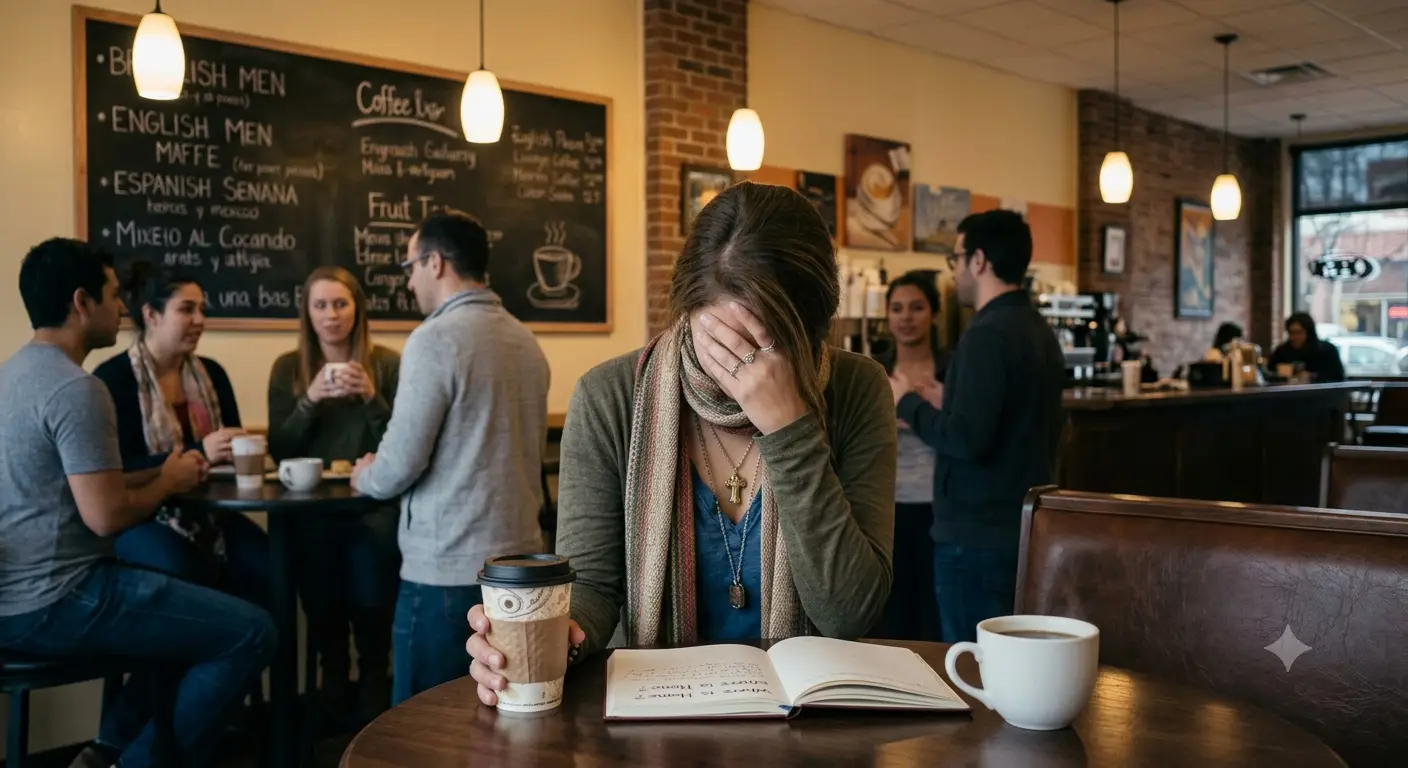
Because of this, individuals may feel a strong responsibility not to disrupt social harmony or burden others with their personal struggles. Emotional distress may therefore be kept private, even among close family members.
For someone experiencing depression or suicidal thoughts, this can create a sense of isolation. They may worry that speaking openly about their mental health will cause concern, disappointment, or conflict within their family or workplace.
The concept sometimes described as “saving face” plays an important role in social relationships in both East Asian and South Asian cultures. Maintaining dignity, reputation, and social respect is highly valued.
Because of this, admitting personal struggles, especially mental health difficulties, can feel deeply uncomfortable. Some individuals may fear that revealing emotional distress will damage their reputation or reflect poorly on their family.
This concern can lead people to hide their struggles rather than seek support.
Although awareness has increased in recent years, stigma around seeking psychological help has historically been a barrier in some communities.
Marginalized Communities and Lack of Access / Education:
People in marginalized communities often face additional barriers when trying to access mental health care or suicide prevention resources. These barriers can include limited financial resources, lack of nearby services, or difficulty navigating healthcare systems.
When basic needs such as housing, employment, or food security are uncertain, mental health care may feel out of reach or like a lower priority, even when someone is struggling deeply.
Language barriers can also make it difficult for people to receive appropriate support. Immigrants, refugees, and linguistic minorities may not have access to therapists or crisis services that speak their language. Without a shared language, it becomes harder to communicate complex emotions, describe mental health symptoms, or build trust with professionals. In some cases, individuals may rely on family members to translate sensitive conversations, which can make it even more difficult to speak openly about suicidal thoughts or emotional distress.
Marginalized communities may also face systemic obstacles such as discrimination, limited transportation, or a lack of culturally informed care. Mental health services may not always understand the cultural background, experiences, or stressors that people in these communities face. As a result, individuals may feel misunderstood or discouraged from seeking help.
Expanding affordable, culturally competent, and multilingual mental health services is an important step toward making suicide prevention support accessible to everyone.
Intersectionality: When Culture, Gender, and Identity Overlap
Suicide risk is rarely influenced by just one factor. Gender, culture, socioeconomic status, sexual orientation, and life experiences often interact in complex ways.
For example:
– Men in cultures that strongly discourage emotional vulnerability may feel especially isolated.
– Immigrant communities may face language barriers and difficulty accessing mental health services.
– Individuals experiencing discrimination or social marginalization may face additional stress.
Understanding these overlapping influences can help create more inclusive and effective prevention strategies.
What Suicide Prevention Can Learn from These Differences:
Recognizing cultural and gender differences can help improve prevention efforts in several ways.
Encourage Open Conversations
Promoting conversations about mental health—especially among groups that may feel pressure to remain silent—can reduce stigma and help people feel less alone.
Provide Culturally Sensitive Mental Health Care
Mental health support should respect cultural values, languages, and community norms. When services feel culturally relevant and accessible, people are more likely to seek help
Challenge Harmful Stereotypes
Breaking down stereotypes such as “men shouldn’t show emotion” or “mental health struggles are shameful” can make it easier for people to ask for support when they need it.
Strengthen Community Support
Strong social connections are one of the most important protective factors against suicide. Families, communities, and peer networks can play a powerful role in supporting individuals during difficult times.
If you or someone you know is struggling with suicidal thoughts, reaching out for help can make a life-saving difference. Speaking with a trusted person, mental health professional, or crisis service can provide support during difficult moments.
For those experiencing despair, marginalization, or feelings of worthlessness, the gospel offers a message of hope: that God draws near to the brokenhearted and offers grace, compassion, and redemption. Rather than defining people by their suffering or failures, the gospel affirms that their lives have purpose and worth, and that hope and restoration are possible even in the midst of deep pain.
The compassionate team of licensed therapists at Fully Health Clinic, sponsored by Oak Health Foundation, is here to walk with you whether you’re supporting a friend or facing your own mental health challenges. Contact us here or at +1 877-553-8559 to schedule a confidential appointment and take the first step toward healing and hope.
If you found our resources useful, please consider donating to Oak Health Foundation, which is a 501(3)c nonprofit dedicated to providing resources regarding holistic mental healthcare and subsidized treatment for those in need.